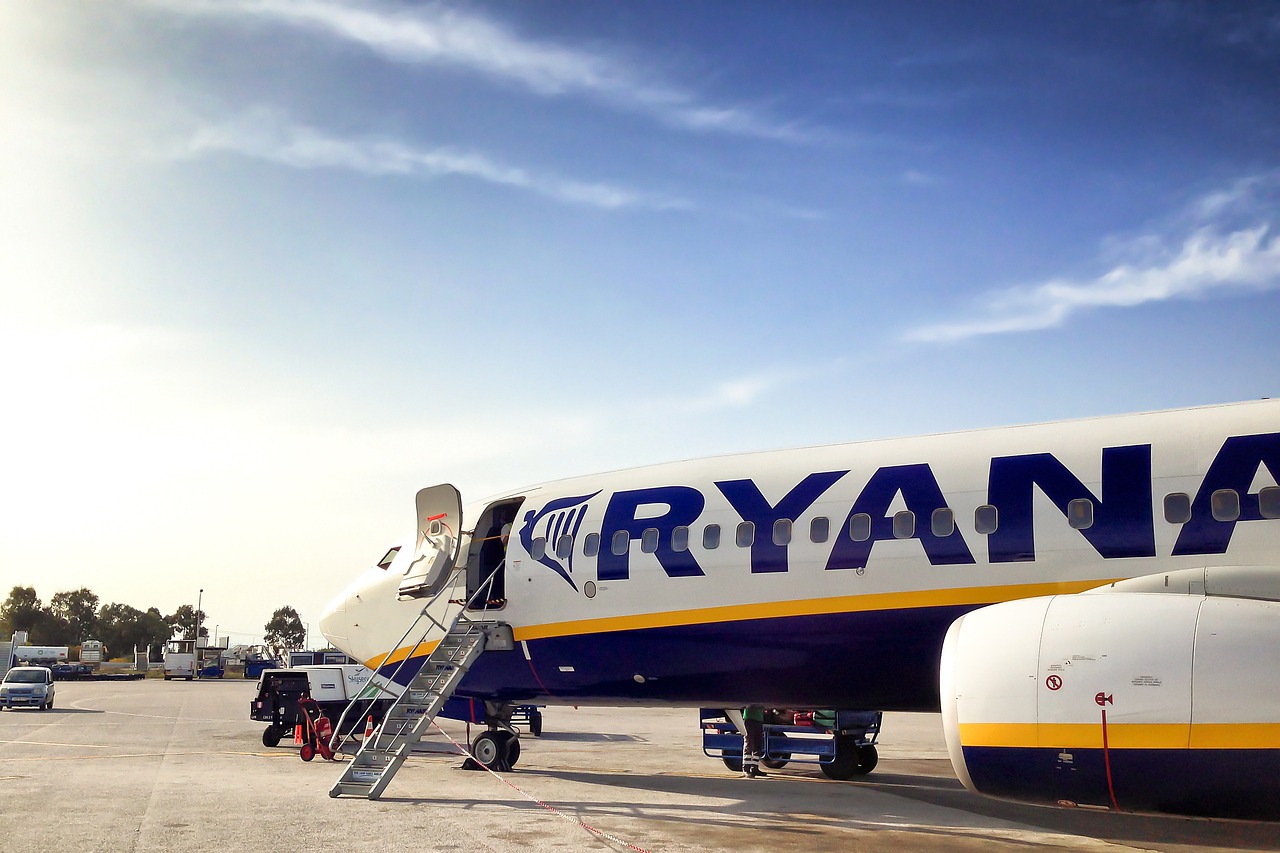
Ryanair Stands Firm: No Flight Cancellations Amid London Gatwick ATC Shortage
In the fast-paced realm of the aviation industry, decisions often need to be made on the fly, balancing operational efficiency with customer satisfaction. A recent situation involving Ryanair and the London Gatwick Airport’s Air Traffic Control (ATC) shortage has turned heads and raised eyebrows across the globe.
The Heart of the Matter: ATC Shortage at Gatwick
London Gatwick, as one of the major hubs in the UK’s aviation network, recently grappled with an unexpected ATC personnel shortage. This shortfall posed significant challenges, threatening the streamlined operations that airlines and their passengers have come to rely on. Shortages of this nature can lead to extended waiting times on the tarmac, unexpected changes in flight paths, and potential safety concerns that cannot be overlooked.
Digging deeper into the situation reveals the intricacies of airport operations. Air Traffic Control (ATC) personnel are the backbone of any major airport, ensuring that aircraft movements on the ground and in the airspace are coordinated efficiently and safely. Any shortage, especially in a bustling airport like Gatwick, can have a cascading effect. Flights might be forced to circle the airport longer than usual, leading to increased fuel consumption and associated costs. Ground operations can become congested, leading to delays in departures. Moreover, the ripple effects can extend beyond Gatwick, potentially causing delays and rescheduling in other airports as well. Such scenarios underscore the critical role ATC personnel play and highlight the challenges airports face when confronted with sudden operational shortages.
Ryanair’s Surprising Decision
While many airlines might choose to cancel or reschedule flights under such circumstances, Ryanair opted for a different approach:
Commitment to Schedule: Despite potential delays and challenges, Ryanair showed commitment to its scheduled flights, ensuring passengers that it would maintain its timetable.
Prioritizing Customer Experience: Recognizing the inconvenience of cancellations or reschedules for passengers, Ryanair aimed to minimize disruption, even amidst challenging operational conditions.
Repercussions and Responses
The decision, while bold, has had a mix of reactions:
Passenger Sentiments: A significant portion of the traveling community commended Ryanair for staying committed to their schedules, a decision that undoubtedly eased the worries of those with time-sensitive plans. However, with the backdrop of the ATC shortage, a parallel narrative emerged. Concerns about the potential ripple effects, like extensive delays, and most critically, safety issues, became topics of active discussions among passengers.
Industry Perspectives: The industry’s reception to Ryanair’s decision was a mixed bag. While some aviation pundits and experts praised the airline’s unwavering dedication to its customers, emphasizing its potential positive impact on brand loyalty, others were quick to shed light on the inherent risks. Operating amidst an ATC shortage isn’t just about maintaining schedules; it’s a dance on the razor’s edge where even minor missteps can lead to significant operational hiccups.
The Broader Picture: The Aviation Industry’s Delicate Balancing Act
Peeling back the layers of Ryanair’s decision reveals the intricate challenges endemic to the aviation world:
Operational vs. Customer-Centric Decisions: The airline industry, with its myriad moving parts, often finds itself at crossroads where operational feasibility and customer satisfaction seem to be at odds. Ryanair’s choice to maintain its schedules, even in the face of potential delays, is a vivid illustration of the tightrope airlines walk daily. It’s a testament to their relentless endeavor to balance logistical challenges with the promise of reliable service.
Safety First, Always: In the realm of aviation, safety isn’t just a priority; it’s the bedrock upon which every decision rests. Regardless of operational challenges or customer pressures, ensuring the safety of passengers and crew is paramount. Ryanair, in its determination to operate amidst the ATC shortage, would have undoubtedly engaged in rigorous risk assessments, leaning on expert evaluations and safety protocols to guarantee a secure journey for every traveler.
Conclusion
Ryanair’s decision to persist in the face of the London Gatwick ATC shortage not only speaks to the airline’s resilience but also shines a spotlight on the multifaceted challenges that airlines confront in our rapidly-evolving global landscape. The situation perfectly encapsulates the intricate dance between logistical challenges, the anticipations of the traveling public, and the unwavering commitment to safety that is foundational to the aviation sector. As this episode plays out, it provides invaluable insights into the decision-making processes of major airlines, especially when faced with unexpected operational hurdles.
Furthermore, this situation serves as a reflection of the broader complexities inherent in modern air travel. As airlines navigate the unpredictable skies of global events, regulatory changes, and technological advancements, their decisions have ripple effects that touch every stakeholder, from passengers and crew to airport operators and industry regulators. Ryanair’s response to the ATC shortage at Gatwick, whether ultimately deemed judicious or not, will undoubtedly be analyzed, critiqued, and discussed for years to come. It serves as a reminder that in the world of aviation, every decision carries weight, and the journey towards optimal solutions is always fraught with turbulence.