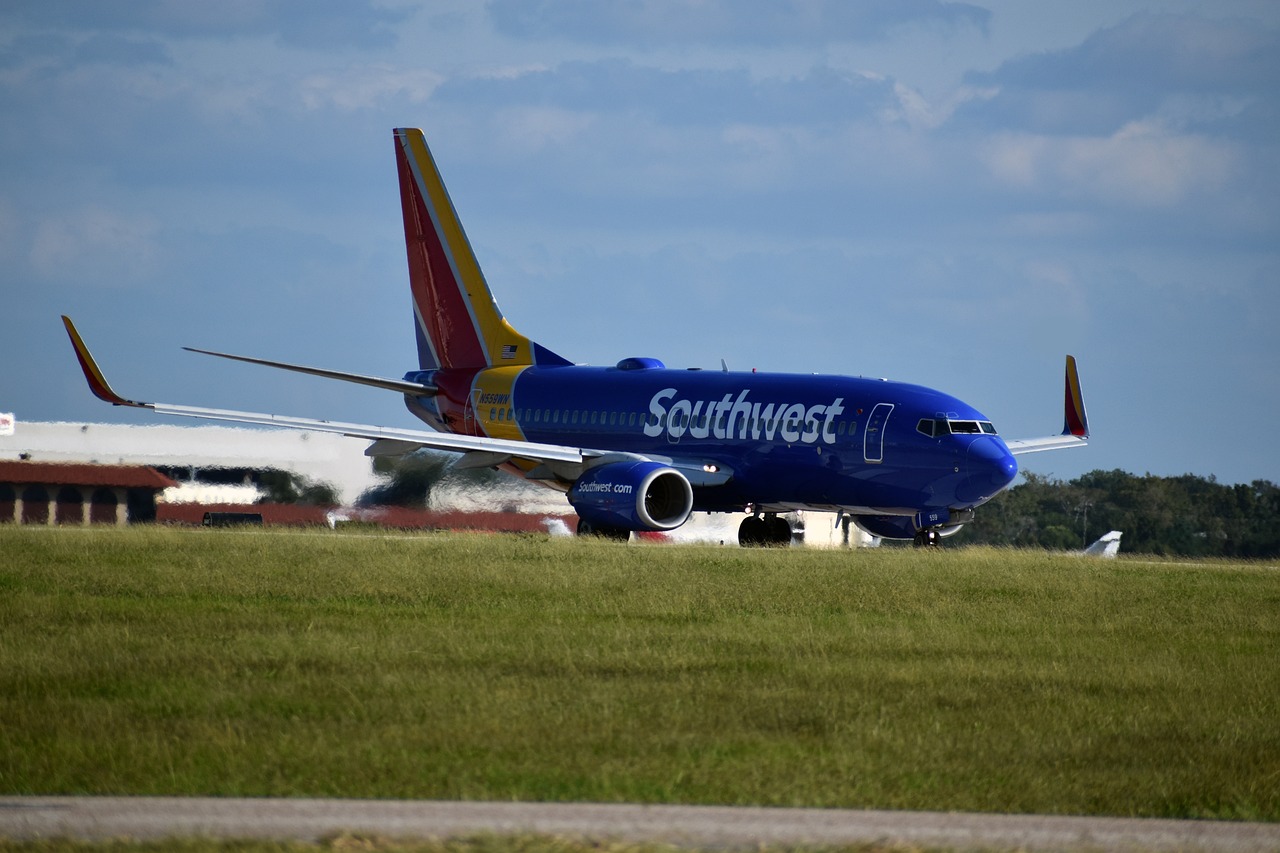
Labor disputes within the airline industry can have significant implications for both the airlines and passengers. Currently, the Southwest Airlines Pilots Association (SWAPA) is contemplating a strike authorization vote, potentially disrupting Southwest Airlines’ operations. This article delves into the factors leading to this decision, the potential consequences of a strike, and the implications for passengers and the aviation industry as a whole.
Pilots’ Grievances and Negotiations
The Southwest Airlines Pilots Association represents the interests of the pilots employed by Southwest Airlines, one of the largest and most prominent airlines in the United States. As with any labor union, SWAPA advocates for fair wages, improved working conditions, and other contractual provisions that safeguard the pilots’ rights and well-being.
Negotiations between SWAPA and Southwest Airlines management have been ongoing to address the pilots’ concerns. However, if the negotiations fail to produce satisfactory results, the pilots may resort to a strike authorization vote as a means of leveraging their bargaining power.
The Possibility of a Strike Authorization Vote
A strike authorization vote is a significant step taken by a labor union to give its leadership the authority to call for a strike if necessary. It does not automatically result in a strike, but rather empowers the union to take such action if deemed appropriate.
The consideration of a strike authorization vote by SWAPA indicates the pilots’ dissatisfaction with the progress of negotiations and their willingness to escalate their actions to bring attention to their concerns. This decision underscores the seriousness of the issues at hand and highlights the potential for disruption to Southwest Airlines’ operations.
Implications for Southwest Airlines and Passengers
A strike by Southwest Airlines pilots would have far-reaching consequences for the airline and its passengers. In the event of a strike, flight cancellations and significant disruptions to the flight schedule would be inevitable. Passengers could face difficulties in rescheduling their travel plans, and the airline would face financial losses as it navigates the challenges of reduced operations.
Additionally, a strike at Southwest Airlines could have a domino effect on the broader aviation industry. As one of the major carriers in the United States, disruptions to Southwest Airlines’ operations would impact connecting flights, affect travel itineraries, and potentially disrupt the entire air travel network.
The Role of Mediation and Resolution
Given the potential impact of a strike on both the airline and the traveling public, it is in the interest of all parties involved to seek a resolution through mediation. Engaging in constructive dialogue and finding common ground can help avoid the negative consequences of a strike.
Mediators, either from within the organization or external to it, can facilitate negotiations and bridge the gaps between SWAPA and Southwest Airlines management. These mediators play a crucial role in fostering productive conversations, ensuring that the concerns of the pilots are addressed, and working towards a mutually beneficial agreement.
Passenger Awareness and Contingency Planning
Passengers who have booked or are planning to book flights with Southwest Airlines should stay informed about the developments regarding the potential strike authorization vote. It is essential to monitor official communications from the airline, as well as to stay updated through travel advisories and news sources. Understanding the potential impact and having contingency plans in place can help passengers make informed decisions about their travel arrangements.
Conclusion
The consideration of a strike authorization vote by the Southwest Airlines Pilots Association reflects the ongoing labor disputes between SWAPA and Southwest Airlines management. The potential consequences of a strike are significant, affecting the airline, its employees, and passengers. The resolution of these disputes through mediation and constructive dialogue is essential to mitigate disruptions and maintain stability within the aviation industry. As negotiations continue, passengers should remain vigilant, stay informed, and consider alternative travel plans if necessary.